REPEATED TASTES
Liking grows with tries
Reviews of the research found that tasting the same vegetable 8 to 10 or more times is likely to increase how much young children accept it.
Count your tries doodlelike
WHAT THE RESEARCH SAYS
It is perfectly normal, the NHS says, for toddlers to refuse to taste new foods.
8–10 small tastes, often enough
8–10+ days Days of tasting likely to raise acceptance of a food
The good news from the research is that liking can be learned. Small, calm, repeated tastes of the same food, often 8 to 10 of them, help many children come round to it.
THE SHORT ANSWER
Refusing new foods is normal for toddlers.
Repeated, relaxed tasting is the strategy with the best evidence.
REPEATED TASTES
Reviews of the research found that tasting the same vegetable 8 to 10 or more times is likely to increase how much young children accept it.
Count your triesVARIETY
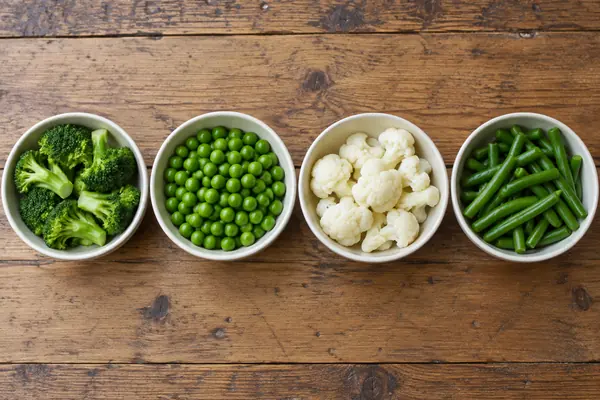
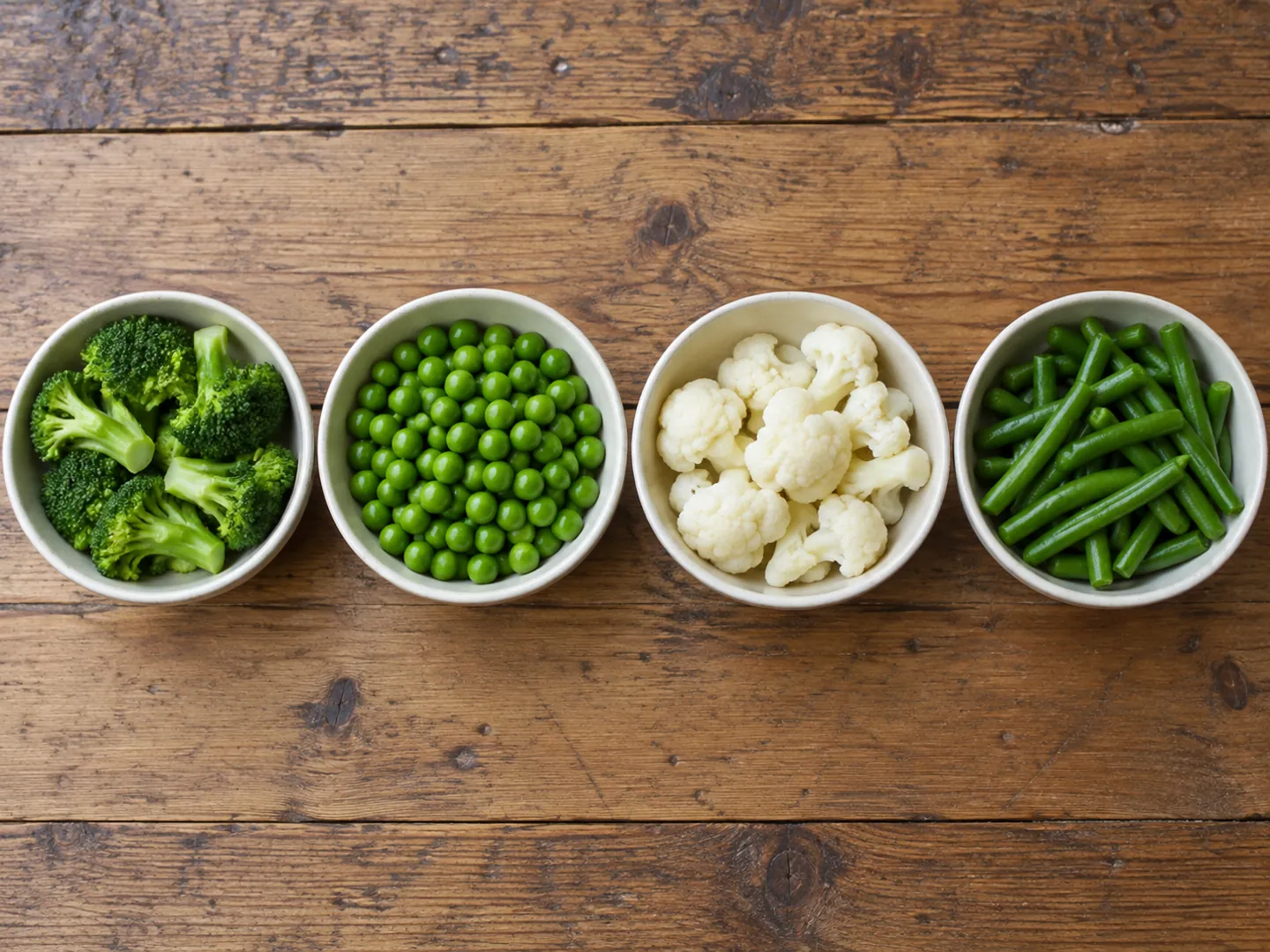
NHS weaning guidance suggests starting with vegetables that are not so sweet, such as broccoli, cauliflower and spinach, to get babies used to a range of tastes.
See the evidenceCOPYING
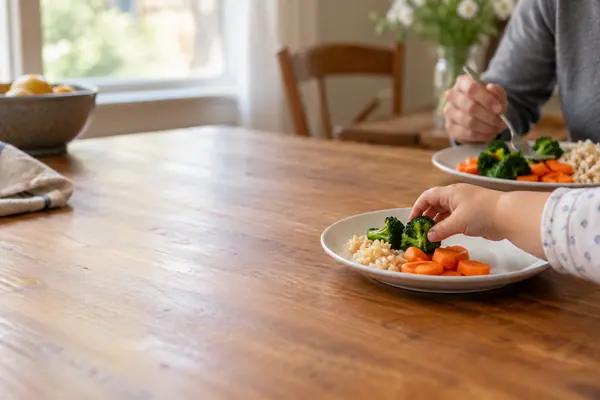
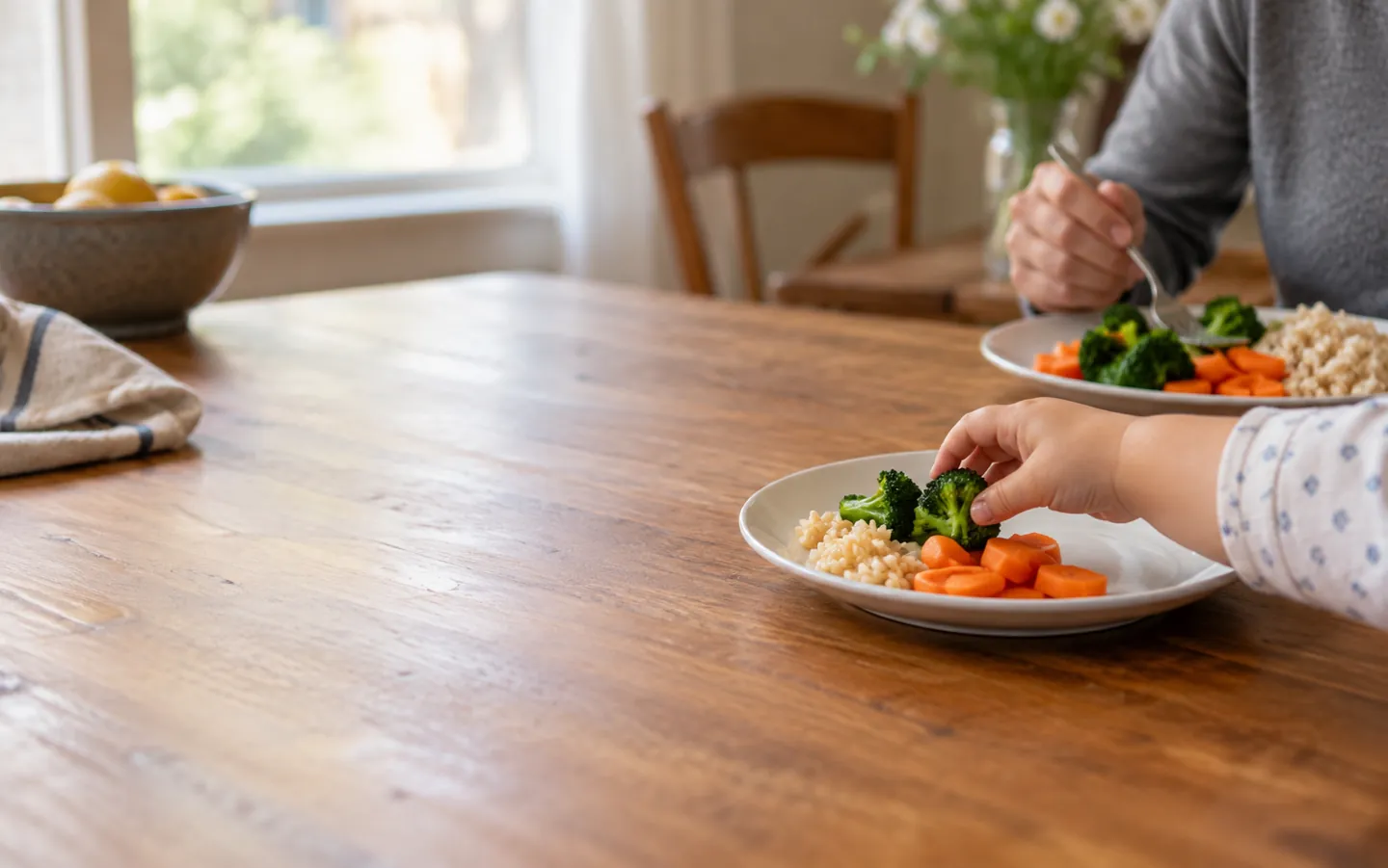
The NHS says the best way for a child to learn to eat and enjoy new foods is to copy you, so eat together as often as you can.
What to tryA QUICK TRY COUNTER
Pick roughly how many times your child has tasted a particular new food. The bar shows how far along you are towards the 8 to 10 tastes the research points to.
Based on a 2018 University of Leeds meta-analysis and a 2019 systematic review for infants and toddlers.
FOUR THINGS THAT HELP
These come straight from NHS guidance on fussy eaters and weaning, and fit what the research on repeated tasting found.

Give small portions and praise your child for eating, even if they only eat a little.
If the food is rejected, take it away without saying anything and try it again another time.
The NHS warns it can teach children to think of sweets as nice and vegetables as nasty. Reward with a trip to the park instead.
It is more helpful to think about what a child eats over a week than in a single day.
TWO NUMBERS WORTH KNOWING
One figure on how many tastes,
one on how many children were studied.
8–10+ days
Days of tasting likely to raise acceptance of a food
A systematic review of 21 studies found moderate evidence that tasting a vegetable or fruit once a day for 8 to 10 or more days is likely to increase acceptance in children aged 4 to 24 months.
INFANTS AND TODDLERS · AJCN 2019
4,017 children
Children in the studies pooled by a meta-analysis of vegetable strategies
Across 30 articles, repeated taste exposure had better pooled effects than other strategies. Unfamiliar or disliked vegetables gained more than familiar ones.
PRESCHOOL CHILDREN · APPETITE 2018
The 2018 meta-analysis also found intake was greater when vegetables were offered plain rather than paired with a flavour, dip or added oil.
WHY IT WORKS
The 2019 review found the effect of repeated tasting is likely to carry over to other foods in the same category, such as other vegetables, but not to foods from a different category.
The NHS reminds parents that children's tastes change: one day they will hate something, and a month later they may love it. If your child is active, gaining weight and seems well, it says, they are getting enough to eat.
Questions
Yes. The NHS says it is perfectly normal for toddlers to refuse to eat or even taste new foods, and suggests thinking about what they eat over a week rather than a day.
Research reviews point to a minimum of 8 to 10 tastes. A 2018 meta-analysis found intake increased with the number of taste exposures.
The 2018 meta-analysis found intake was greater when vegetables were offered in their plain form rather than paired with a flavour, dip or added energy such as oil.
The NHS advises against using food as a reward, because a child may start to think of sweets as nice and vegetables as nasty. It suggests non-food rewards instead.
NHS weaning guidance suggests starting with vegetables that are not so sweet, such as broccoli, cauliflower and spinach, and offering a variety including ones with bitter flavours.
Updated
ABOUT THIS NAME
doodlelike.com is part of the DoodleSale portfolio. It isn't in an auction right now, but you can ask about leasing it.